
Thermal Layers Indoors — What Your Dog Is Really Working Through
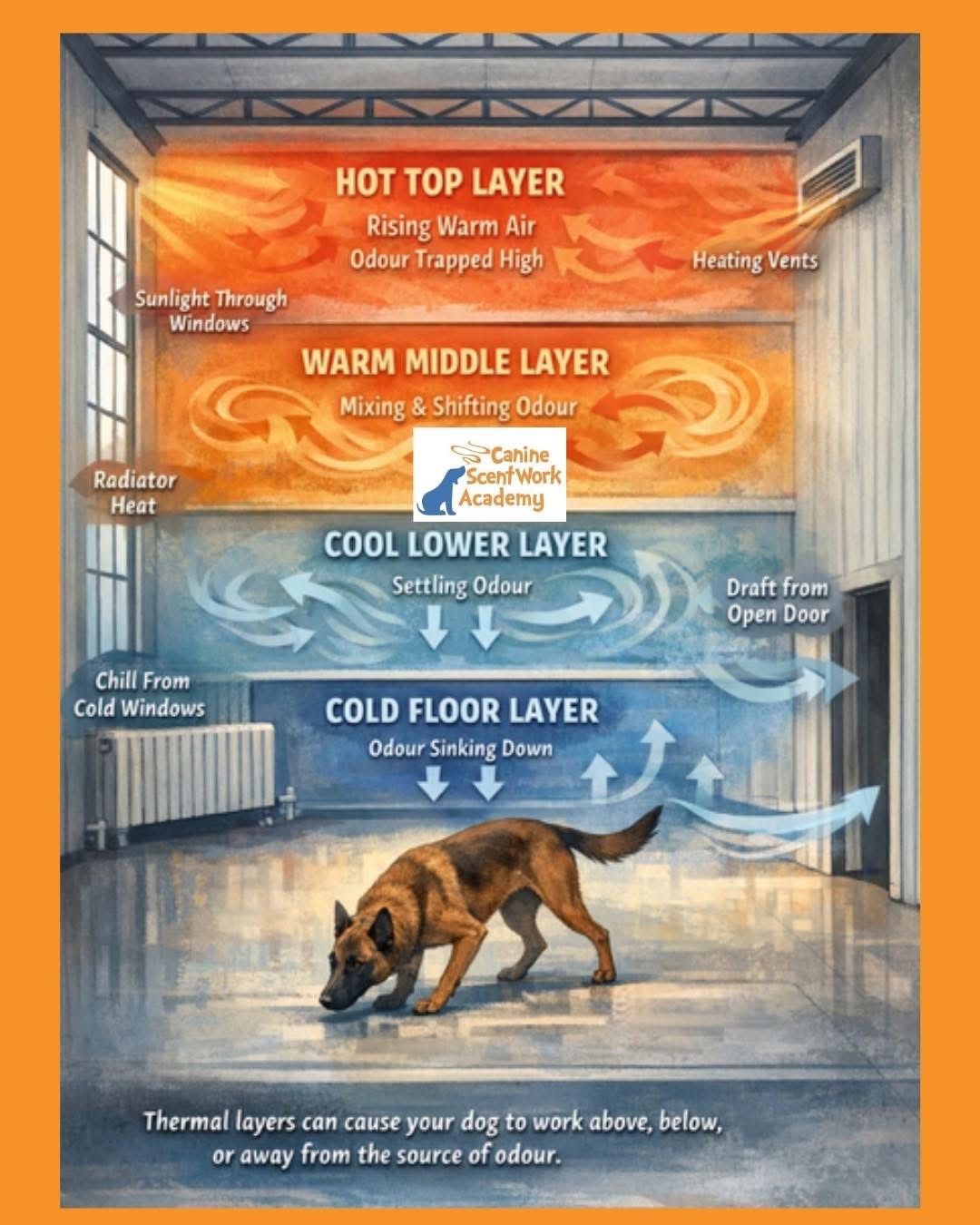
When we move scent detection indoors, it may be thought that conditions are way more predictable than outdoors. In reality, interior environments create their own complex odour picture, and one of the biggest influences is thermal layering.
In a typical domestic-sized room, we commonly see three thermal layers. In larger spaces such as warehouses or sports halls, this can increase to four or more distinct layers, with a lower cold layer
What are thermal layers?
Simplified. Warm air rises. Cool air sinks. This creates invisible horizontal bands of air at different temperatures within the space. Odour travels and behaves differently within each layer, meaning your dog is often working through a far more complicated scent picture than we realise.
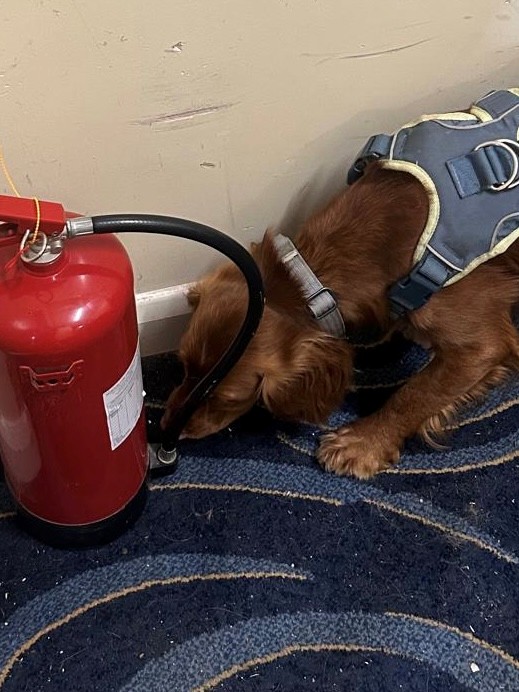
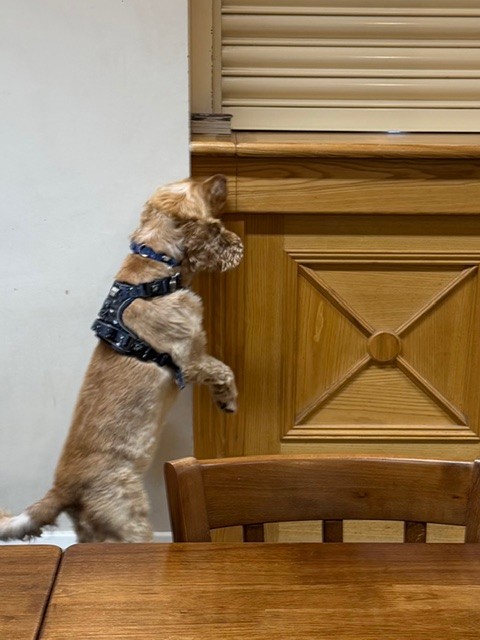
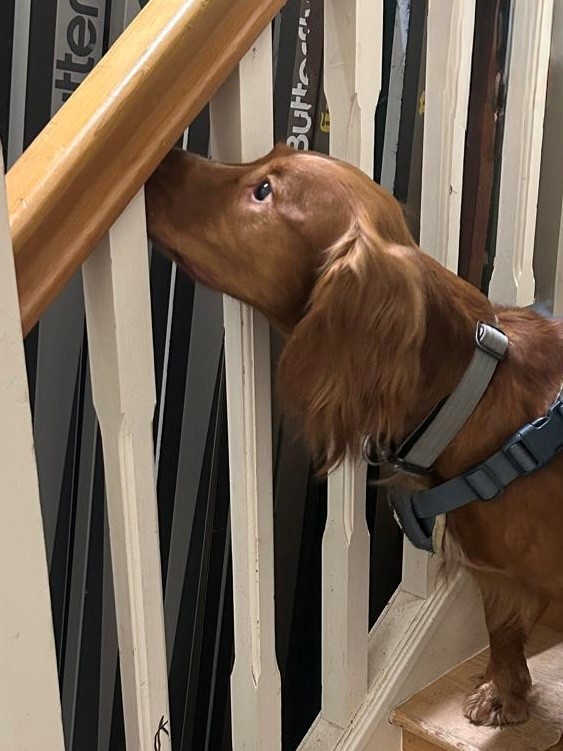
How this affects the search. Depending on where the hide sits within these layers, you may observe:
Dogs working above or below the source.
- Indications slightly offset from the hide
- Changes in search height
- Air-scenting in unexpected areas
- Dogs rechecking vertical spaces
Sometimes what looks like uncertainty is actually the dog correctly working the available odour picture within that temperature layer.
Indoor air is rarely still. Common factors that influence the thermal layers within the interior environment.
Windows
- Sunlight can create warm rising air columns
- Open windows introduce directional airflow
- Cold window surfaces can cause odour to drop
Doors
- Opening and closing creates pressure changes
- Foot traffic pulls odour into new areas
- Drafts can split and stretch scent plumes
Heating systems
- Radiators create rising warm air currents
- Underfloor heating produces more even lift
- Blown air heating can significantly redistribute odour
Overall building temperature 👇
- Greater temperature differences = stronger layering
- Stable temperatures = softer, less defined layers
- Large volume spaces (warehouses, high ceilings) often develop more complex stacking
What does this means for handlers?
Before assuming your dog is struggling, pause and assess the environment.
- Where is the warm air likely sitting?
- What surfaces might be cooling the odour?
- Is the heating system currently active?
Very often, the dog is giving us accurate information, as always we just need to observe and learn.
Next time you search indoors, what is the air in the room actually doing and how might that be shaping what your dog is telling you. As with exterior environments, It is limited in what conditions we can control within the search area but having an understanding of the thermal layers within an area is helpful in reading your dog’s search behaviours.
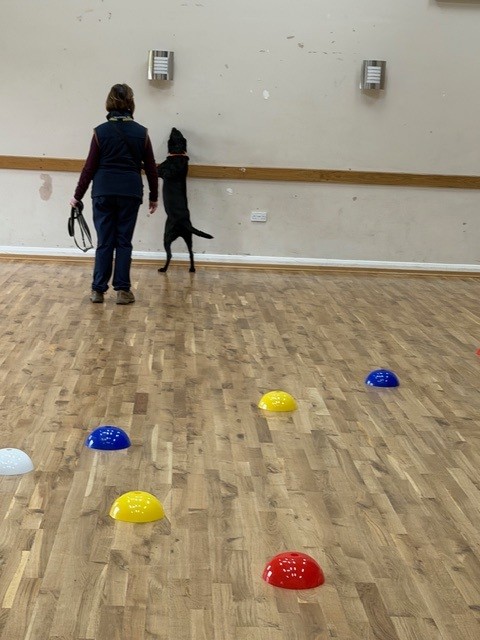
It is also invaluable for those instructing and setting searches or trials. Are doors/windows going to be open or closed? Is heating on or off? Considering the building height and the material the building is made of and exterior temperature on the day.
Train for success and achievable challenges
Mandy Rigby Founder & Instructor
Canine Scentwork Academy
Note :The Diagram Illustration is to depict thermal layers – these will be different bands depending on the area volume and other influences which are covered in future articles
Other interesting articles
A Key Benefit of Working Your Dog’s Nose
Scent Work & Low Humidity – How This Effects A Dog’s Search Behaviours