Target Odour – Truffle Oil – Part One
“The Tricky, Stinky, One”
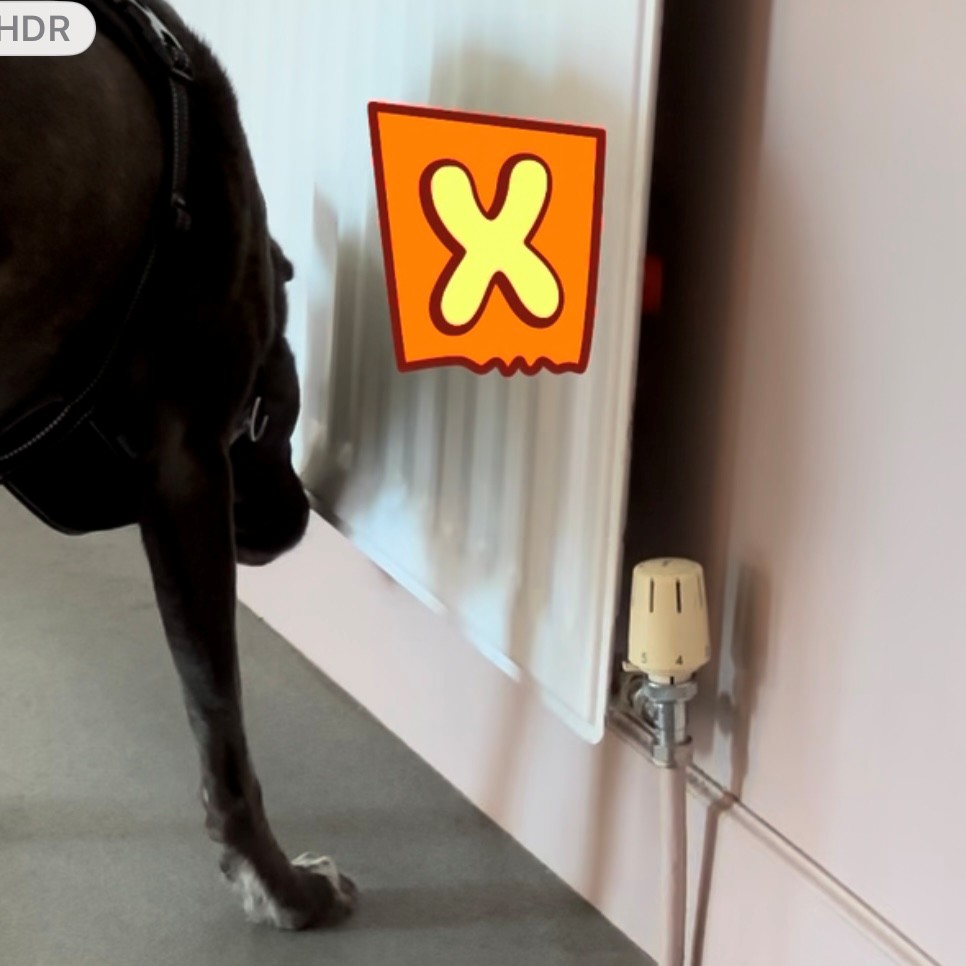
From my observations of dogs working truffle oil, I have found it to be an unusually challenging target odour for them to problem-solve and source.
This post isn’t based on any formal scientific research, but rather on my experiences watching many dogs search when truffle oil is present, combined with a basic understanding of volatile organic compounds (VOCs).
Different substances release their molecules into the air at different rates and intensities; this release is known as vapour pressure. Vapour pressure plays a key role in how scent molecules disperse in the environment, which in turn influences how a dog will track them to their source.
For example, clove oil has a high vapour pressure. It spreads through an environment quickly and reacts readily to changes in air movement, humidity and temperature. This makes it good for novice dogs, who are rewarded with quick success and therefore increased motivation.
However, for experienced dogs, clove can be too easy, they don’t need to fully engage their searching skills to locate it. It’s there somewhere and they know it. Gun oil, on the other hand, has a lower vapour pressure.
And then there’s truffle oil an odour that certainly divides human opinion! Some people adore it, others can’t stand it It’s a true Marmite smell !
What fascinates me most is how truffle oil behaves in the environment. It seems to share characteristics of both clove and gun oil,which makes sense when you consider that it’s both strongly aromatic and oil-based. The more chemically complex a substance is, the more unpredictable its scent movement tends to be.
When you first open the jar, truffle oil hits the nose with a strong, earthy aroma. Yet to humans, it appears to fade quickly from the carrier material. Dogs, of course, continue to detect it long after we believe it has disappeared.
All scent molecules move and settle, but truffle oil seems to do so in particularly unpredictable ways. I have seen dogs pick up the odour from quite a distance, suggesting strong vapour pressure, only to lose it abruptly, as though encountering an invisible void between their first detection and the actual source.
We will never truly know what the odour “looks like” from the dog’s perspective. All we can do is read the behaviour. But truffle oil certainly behaves as if it has a mind of its own. Like clove, it can travel widely, yet because it is oil-based, the heavier components tend to rise and fall, accumulating near the source.
Time and again, I have seen skilled, reliable dogs give strong alerts off source, as though the odour has pooled on nearby surfaces and become stronger there than at the actual hide, especially when the scented item is inside a scent container.
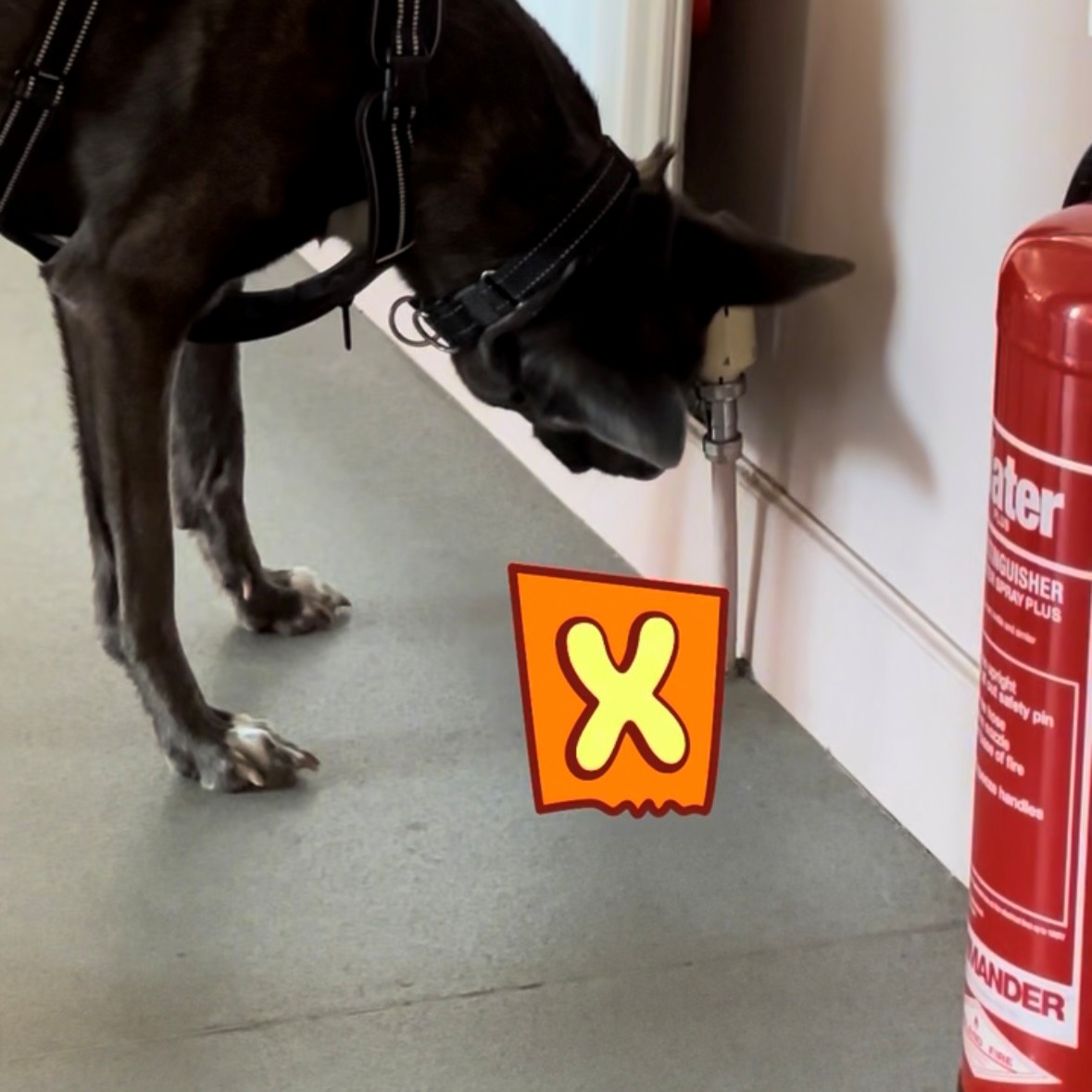
On top of that truffle oil also clings stubbornly to surfaces and saturating porous materials. Even highly experienced dogs can struggle to pinpoint the exact source once they have found the general area.
In a recent search, the dog in the photograph can usually pinpoint clove and gun oil with absolute precision, and whom I have never seen false alert, had to work very hard to resolve a truffle hide. She ultimately located it, but the search took longer, and she gave two false alerts near the hide.
Watching her work made me wonder whether the truffle molecules were dispersing so quickly from the original source that much of the odour was settling onto surrounding surfaces, creating confusion between plume and actual source.
This is where handlers may mistakenly question their dog’s capabilities when in reality, truffle oil falls under the unstable volatile organic compound category.
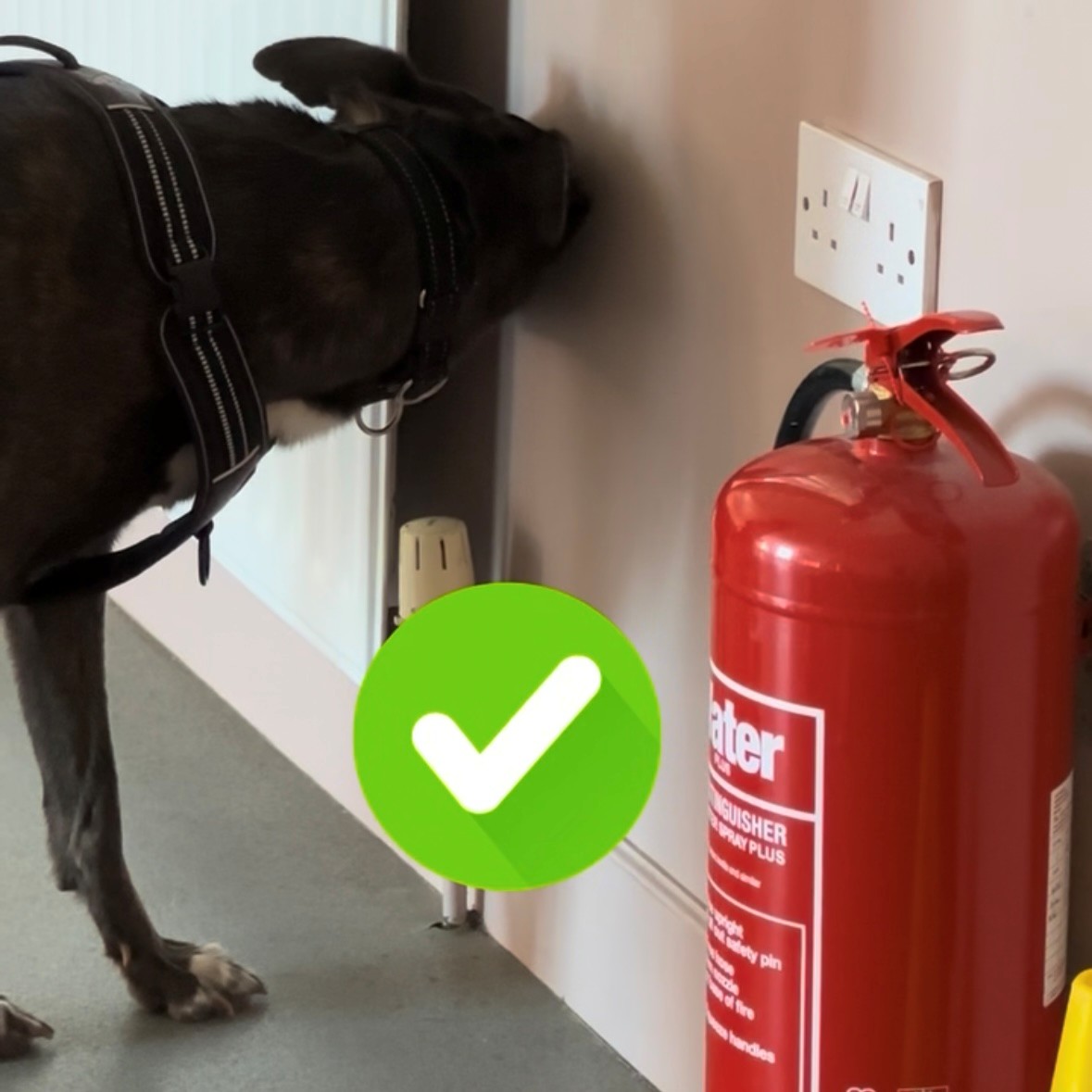
Whatever the exact chemistry, one thing is certain, truffle oil will test your dog’s searching and sourcing skills. It’s a tricky, stinky one indeed, demanding considerable practice for both the dog and the handler’s observational skills in a variety of situations/environments.
A special thank you to Simon Prins of Detection Dog Shop for his excellent article on vapour pressure, which helped me have an increased appreciation of why the “tricky, stinky one” behaves the way it does.
Mandy Rigby
Scent Work Instructor & Founder Canine Scentwork Academy
To catch more of my articles sign up here for the CSA Nosey News